- Marketing Mastery Newsletter
- Posts
- Want to create a multi-million dollar business?
Want to create a multi-million dollar business?
What you need to do, precisely!

Marisha Lakhiani
December 03, 2025
Here is a powerful idea: you don’t need to invent an entirely new product. You just need to revive an outdated category, give it a fresh identity and cool branding — and let that repositioned category do the heavy lifting for you.
Story → Insight → Takeaway
Story — For decades many categories have grown stale. Think toothpaste, pimple patches, blueberries grown at scale. Some recent brands won big simply by re-framing an old category: simplifying the story, upping the design, targeting new mindsets.
Insight — If a category is largely commoditised (everyone knows it, few new entrants, little excitement), you have an opening. By injecting branding, purpose, design and attitude you can turn “boring” into “must-have”.
Takeaway — Instead of chasing the completely new, look at the everyday, look at what’s been taken for granted, then re-imagine it. That’s your white-space.
Below are five great examples from the US/Europe of this idea in action*, followed by five pitfalls to avoid when you attempt the same.
Nuud (UK, chewing gum category)
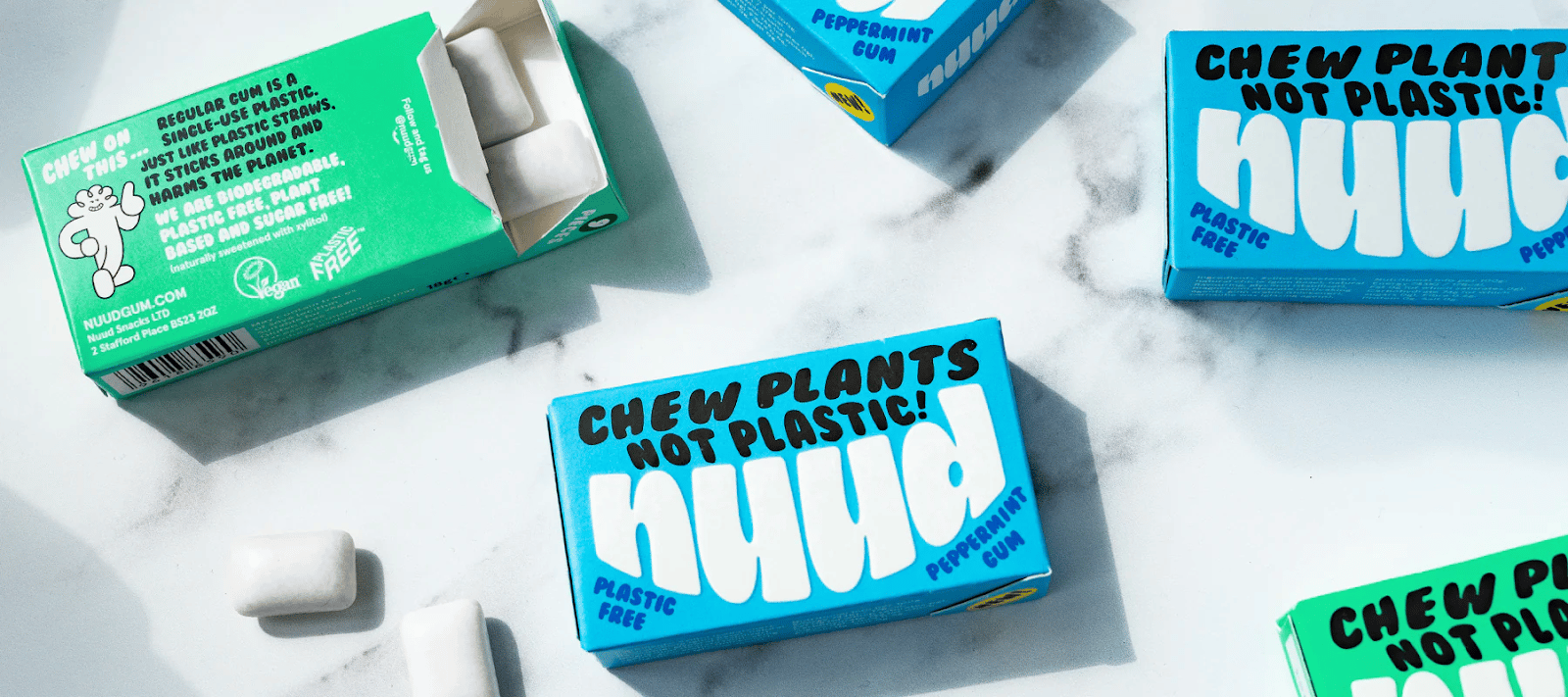
What they did: Chewing gum is a tired category. Sticky mess, single-use plastic, little differentiation. Nuud turned that on its head by positioning itself as “plant-based, plastic-free” gum that biodegrades like a banana skin.
Why it works: It took a category that had become mindless and mass-habitual, and injected two powerful differentiators: sustainability + design + story. Also, the packaging design is bold and modern.
Key branding move: The tagline “chew plants not plastic” did the heavy lifting. It turned gum into a statement.
What you can glean: Pick a category where there’s waste or hidden cost (environmental, social, quality). Then re-frame it via brand + purpose.
The Collective (UK/New Zealand, yoghurt category)
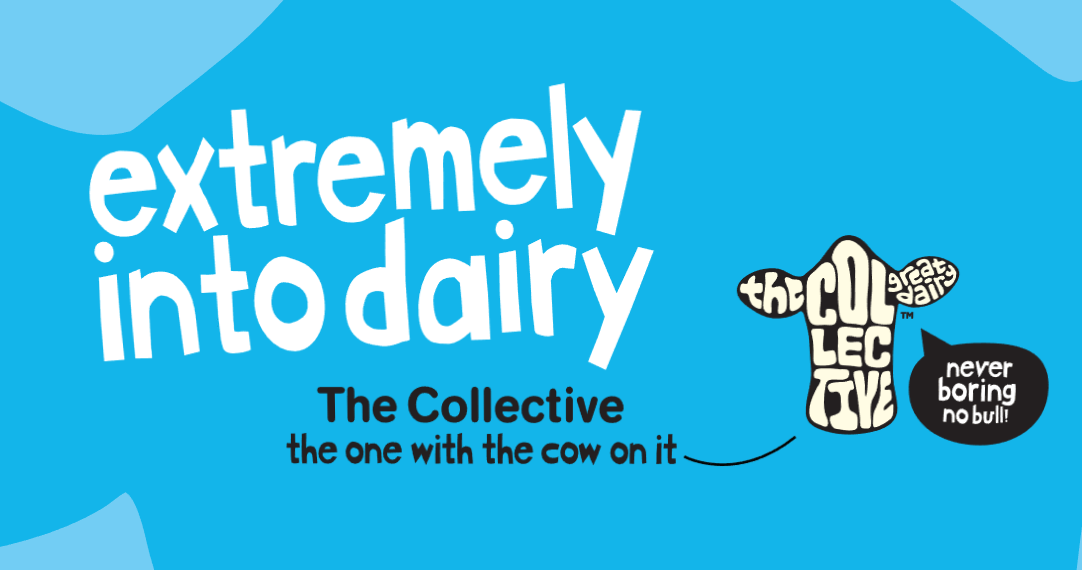
What they did: Yoghurt is a commoditised dairy category. The Collective entered with “premium all-natural yoghurt, no additives, B-Corp certified” and grew rapidly in the UK.
Why it works: The category had many big players, but consumers were starting to demand better ingredients and authenticity. The Collective made that pivot visible.
Key branding move: They weren’t just “yoghurt” — they were “yoghurt done better, ethically, transparently”.
What you can glean: When a category has become routine, introduce a lever of “better” (ingredients, ethics, story) and amplify via branding.
Example 3: Seventh Generation (US, household & cleaning category)
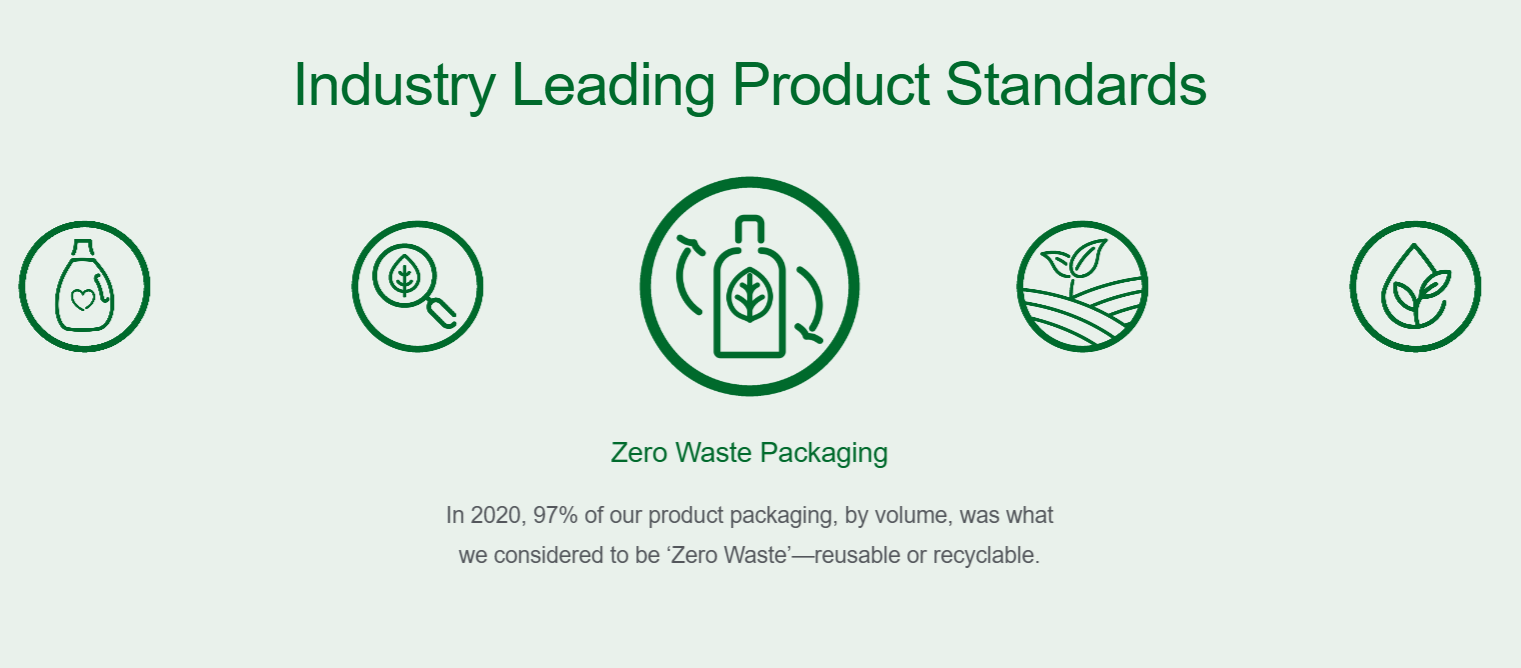
What they did: Cleaning products (detergents, paper goods) are extremely mature. Seventh Generation turned the category into something mission-driven: plant-based, transparent formulation, eco-first.
Why it works: They didn’t just change the formula, they changed the story of the category — from “cleaning” to “cleaning responsibly”.
Key branding move: Their narrative (social mission), combined with credible credentials, made them stand out in a sea of white-label detergents.
What you can glean: In categories used every day (home, care, hygiene), branding that brings meaning and transparency can unlock growth even when product features are incremental.
Crispy Fantasy (Europe, breakfast cereal category)

What they did: Breakfast cereal is a long-standing category with low innovation. Crisp fantasy entered as vegan, high-protein, low sugar — reframing cereal as snack + nutrition rather than just breakfast.
Why it works: They identified that legacy cereal brands had been slow to adapt. They offered something tuned for modern health & snack habits.
Key branding move: Positioning cereal as “junk-free, hassle-free, plant-based breakfast/snack” changed the conversation from flavour alone to lifestyle + purpose.
What you can glean: If the category has remained static while consumer habits evolved (e.g., from bowl breakfast → snacks on the go), you can reposition it accordingly.
Example 5: Poppi / Functional Soda (US beverage category)
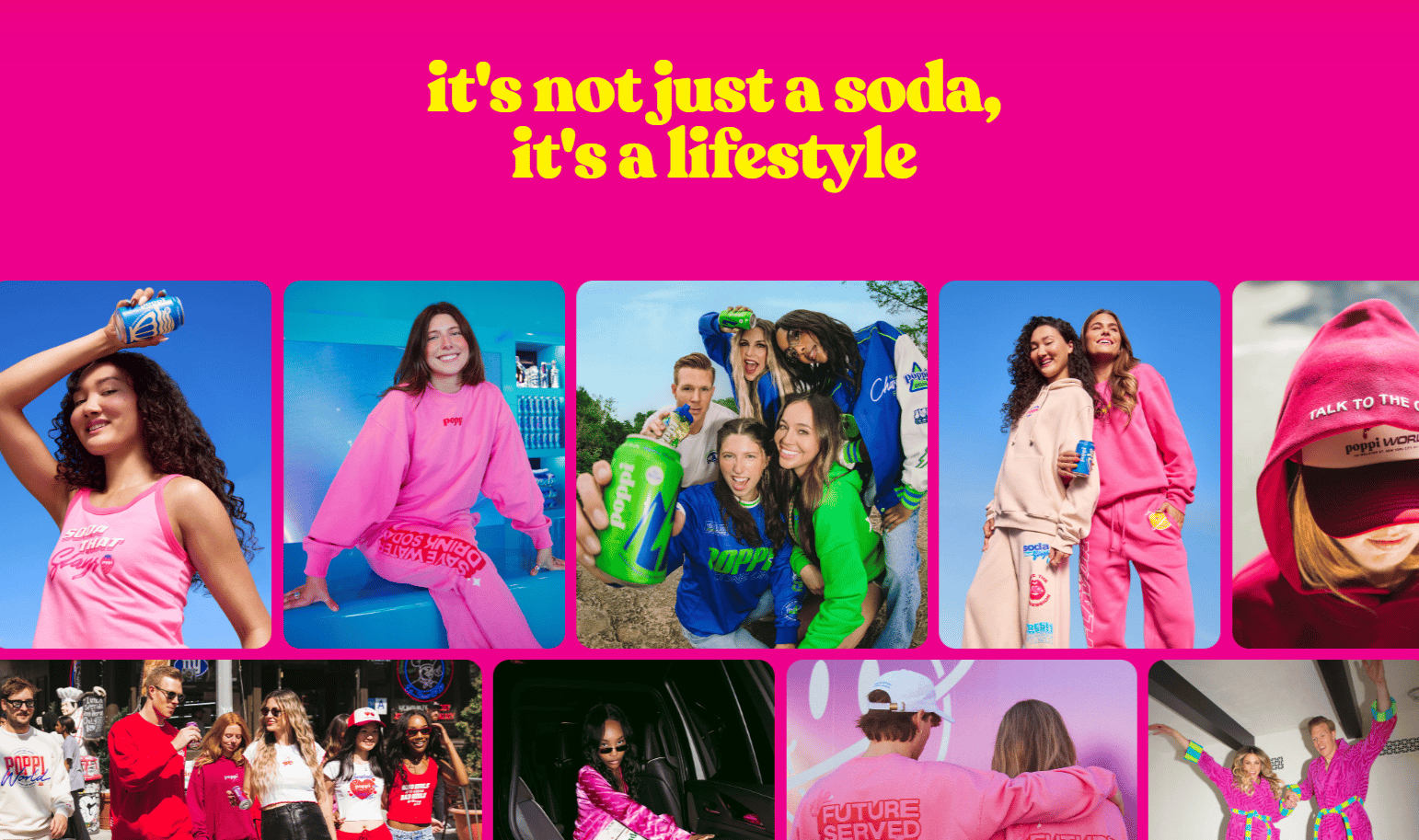
What they did: Soda— fizzy drinks— are saturated and often viewed as unhealthy. Brands like Poppi (prebiotic soda) re-imagined soda as “better-for-you” with bold flavours and modern packaging.
Why it works: They tapped into the trend of wellness + flavour + nostalgia (soda). They made soda feel fun again but aligned with consumer health shifts.
Key branding move: Instead of “cola flavour”, they emphasised benefits (prebiotics), natural ingredients plus bright design.
What you can glean: For categories under pressure (e.g., health, regulation), repositioning them with new functional benefits + attitude can revive them.
What the pattern reveals
The common thread: an existing category that feels tired or undervalued → a fresh brand identity with purpose/design/attitude → repositioning to a new consumer mindset.
Branding is not just “better logo” — it’s “better meaning”.
Product innovation still matters, but the branding amplifies the perception of difference.
Consumer culture has shifted: routine purchase categories now also need story, values, and design.
Five Pitfalls / Misconceptions to Avoid
Mistake: “Just change the packaging, everything else stays the same.”
If you only slap on a new design but don’t refresh product relevance or narrative, consumers will sense it. Branding must align with real improvement or meaningful repositioning.Mistake: “We’ll copy the incumbents but charge a premium.”
Charging more without offering a compelling reason (taste, ethics, design) often fails. You need a clear differentiator, not just a higher price.Mistake: “This category is boring, so any brand will work.”
“Boring” means low interest, low differentiation — but it also means consumer inertia. Simply entering won’t guarantee success; you must break that inertia with a strong brand hook.Mistake: “We’ll skip storytelling; product alone will win.”
In mature categories, product features often converge. The differentiator becomes brand story, identity and emotional connection. Without branding, product risk becomes higher.Mistake: “We’ll go mass right away.”
Because many categories feel “under-loved”, there’s a temptation to scale fast. But branding needs time to embed, differentiation to communicate, and channels to prove. Scaling too fast may dilute the brand or confuse the promise.
So … which “boring category” are you thinking of picking to reinvent with a cool new brand? Share in comments below — I’d love to hear your idea.